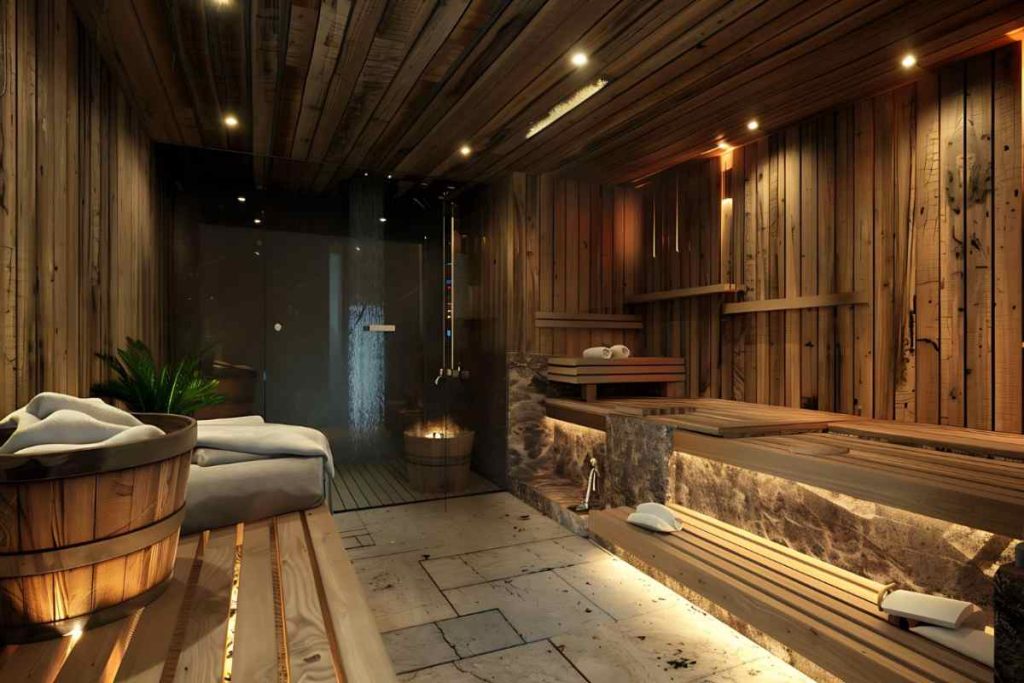
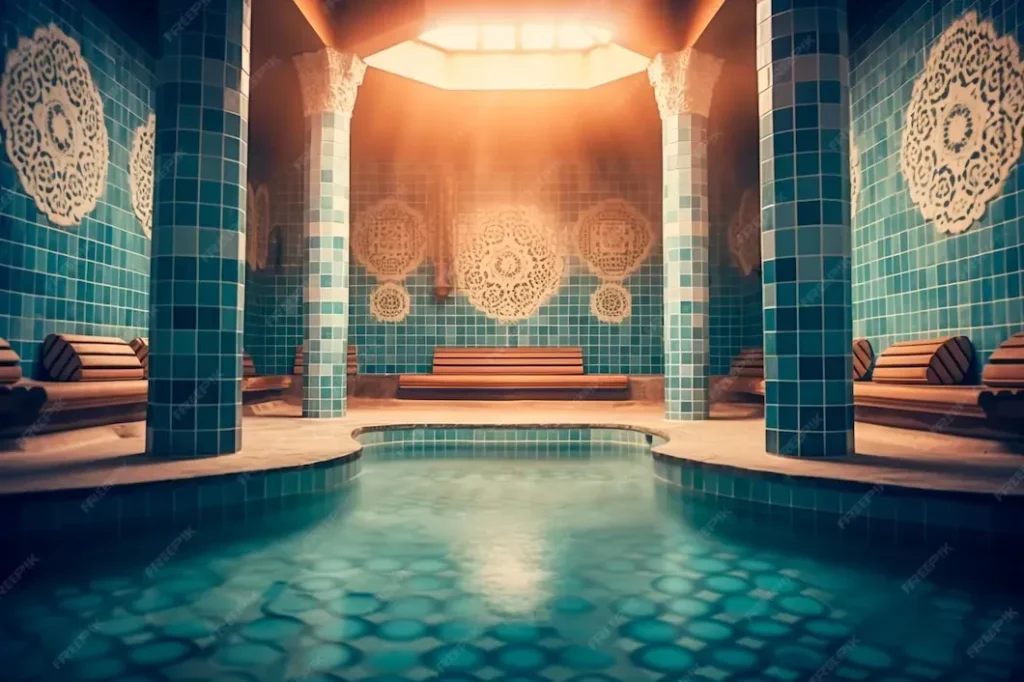
Turkish Hammam Treatments offer a sensory journey that blends heat, steam, cleansing, and ritual. Rooted in centuries of culture, these sessions invite you to experience a traditional practice that centers the body, sharpens the senses, and promotes relaxation. In this guide to Turkish Hammam Treatments, the core components—foaming scrub hammam, Turkish bath massage, and aromatherapy hammam—are explained so you can savor the technique and adapt ideas to your wellness routine. The result is smoother skin, improved circulation, reduced muscle tension, and a refreshed mental state. Whether you’re curious about authentic traditional Turkish bath or Ottoman bath ritual, or looking to recreate elements in a modern spa, warm steam, careful touch, and fragrant oils guide the journey.
This introduction also views the practice through alternative lenses, describing the same experience as a steam bath ceremony, a hammam ritual passed down through generations. Think of it as an Ottoman-era cleansing tradition delivered in a modern spa setting, combining heat, moisture, and mindful touch. Visitors may encounter a steam-based cleansing routine, a body scrub and massage, and aromatics that elevate mood, all framed by cultural heritage. Other terms you might hear include Turkish bath culture, bathhouse ritual, or classic traditional Turkish bath experience. In essence, the concept centers on a restorative cleansing sequence that nourishes skin, circulation, and calm, whether you call it a hammam ceremony, a bathhouse rite, or a warm-water spa session.
Foaming Scrub Hammam: Core Step in Turkish Hammam Treatments
The foaming scrub hammam phase, often called kese, is the opening ritual of Turkish Hammam Treatments. A lathering soap or olive-oil soap creates rich foam, and a rough glove exfoliates the skin to lift dead cells, open pores, and soften the surface. This step echoes the traditional Turkish bath approach and sits within the broader Ottoman bath ritual of cleansing before deeper work.
As the foam works and steam thickens the air, the exfoliation is performed with upward strokes across arms, legs, back, and torso. The mechanical action, combined with the emollient oil, lifts dead skin and primes the skin to absorb oils and moisturizers later in the session. First-timers may feel a tingling or rosy glow, a sign of increased circulation and a successful initial cleanse.
Turkish Bath Massage: Techniques for Deep Relaxation and Circulation
Following cleansing, the Turkish bath massage uses long, sweeping strokes that align with the body’s contours. This Turkish bath massage aims to relieve muscle tension, boost circulation, and stimulate lymphatic flow, all while the heat and moisture keep connective tissue pliable. Oils or soap are used to reduce friction and help glide smoothly over skin in a respectful, mindful rhythm.
The massage fosters deep relaxation and a sense of lightness that guests often carry into daily life. It can improve flexibility, reduce stiffness, and support mental calm. In many sessions, therapists incorporate aromatherapy hammam elements—subtle essential oils blended into soap or massaged into the skin—to deepen the sensory effect.
Aromatherapy Hammam: Scents, Oils, and Mood Enhancement
Aromatherapy hammam adds a scented layer that enhances mood and breath. Essential oils such as eucalyptus, lavender, rose, and citrus blends are chosen for soothing, uplifting, or clarifying properties and are often diluted in carrier oils or added to soaps used during massage. This aromatherapy aligns with the traditional Turkish bath’s aim to engage senses and support relaxation.
The dispersed fragrance fills the space, aiding breathing and focus while guiding the mood of the session. Depending on your goals, aromas can prime stress relief, energy, or a calming ritual. The scent also connects the practitioner and guest in a shared, mindful moment within the bath ritual.
The Ottoman Bath Ritual: Historical Roots Shaping Modern Turkish Hammam Treatments
The Ottoman bath ritual anchors Turkish Hammam Treatments in a long history of communal cleansing and social ceremony. Hammams emerged as cultural hubs in the Middle East and Mediterranean, where architecture—marble surfaces and domed ceilings—complemented a sequence of heated rooms that guide guests from warmth to purification.
In modern spas, this heritage is honored by recreating the cadence of heat, foam, scrub, massage, and aroma. Guests experience a respectful, ceremonial atmosphere while still focusing on personal wellness, skin renewal, and mental clarity that a traditional Turkish bath tradition promised years ago.
Traditional Turkish Bath Experience in Modern Spas: Preparation, Participation, and Aftercare
To prepare for a hammam visit, arrive hydrated, wear appropriate wrap or swimsuit, and follow the therapist’s guidance on pressure and pace. This practical preparation reflects traditional Turkish bath etiquette and helps you participate fully in the foaming scrub hammam, massage, and aromatherapy components.
Aftercare supports lasting benefits: moisturize with a fragrance-free or natural oil, stay hydrated, and avoid hot showers if your skin is sensitive. You can extend the experience at home with a calming routine—warm baths, gentle massage, or diffusion of your chosen essential oil—so the benefits of Turkish Hammam Treatments linger beyond the spa.
Frequently Asked Questions
What are Turkish Hammam Treatments and what should I expect from a typical session that includes the foaming scrub hammam, Turkish bath massage, and aromatherapy hammam?
Turkish Hammam Treatments refer to a traditional cleansing and relaxation ritual performed in a hot, steamy room designed to open pores, soften skin, and invite calm. A typical session centers on three elements: a foaming scrub hammam to exfoliate, a Turkish bath massage to relieve tension and improve circulation, and aromatherapy hammam to enhance mood with essential oils. The experience blends warmth, humidity, mindful touch, and fragrant oils to create a holistic wellness moment. Benefits include smoother skin, better circulation, reduced muscle tension, and a refreshed mind, framed by respectful participation in a centuries-old tradition.
How does foaming scrub hammam prepare the skin during Turkish Hammam Treatments and what happens during that initial exfoliation phase?
During the foaming scrub hammam phase, a kese (rough glove) and lathered olive oil soap exfoliate to lift dead skin and open pores. The scrub is typically performed with upward strokes on the arms, legs, back, and torso, aided by the steam for deeper cleansing. The result is brighter, smoother skin and improved absorption of subsequent oils and moisturizers. Therapists will adjust pressure to your comfort, ensuring a thorough yet gentle cleanse.
What are the benefits of the Turkish bath massage within Turkish Hammam Treatments, and how is pressure adjusted for comfort during the massage?
The Turkish bath massage uses long, sweeping strokes and rhythmic pressure to relieve muscle tension, improve circulation, and support lymphatic flow, all while heat and moisture relax connective tissue. Oils or lather reduce friction, creating a smooth glide and a soothing sensation. The massage encourages deep relaxation and can improve flexibility and mood, with the pace tailored by the therapist to match your comfort level.
What role does aromatherapy hammam play in Turkish Hammam Treatments, and which essential oils are commonly used to shape mood and relaxation?
Aromatherapy hammam introduces essential oils such as eucalyptus, lavender, rose, and citrus blends to enhance mood, breathing, and relaxation. Oils are diluted in carrier oil or integrated with soap to distribute fragrance throughout the space and onto the skin during massage. The chosen aroma can be tailored for stress relief, energy, or calm focus, reinforcing the ritual and mindful ambiance of the session.
What is the Ottoman bath ritual and how does its history influence the traditional Turkish bath experience today?
The Ottoman bath ritual refers to the cultural lineage of hammams as social and ceremonial spaces with architectural features like marble, domes, and a sequence of heated rooms guiding guests from warmth to purification. Modern spas may adapt these elements while honoring the origins, offering an authentic yet accessible experience. Understanding the history deepens appreciation and encourages respectful, mindful participation in Turkish Hammam Treatments.
| Topic | Key Points |
|---|---|
| Introduction |
|
| What are Turkish Hammam Treatments? |
|
| Foaming Scrub: The Ritual Begins |
|
| Massage: Deep Relaxation and Body Care |
|
| Aromatherapy in Hammam: Essential Oils and Mood |
|
| Historical and Cultural Context: Ottoman Bath Rituals |
|
| Benefits and Considerations: What You Gain and How to Prepare |
|
| What to Expect and How to Make the Most of It |
|
| Aftercare: Caring for Your Skin After Turkish Hammam Treatments |
|
Summary
Turkish Hammam Treatments offer a holistic path to cleansing, relaxation, and well being. This ancient ritual blends heat, steam, cleansing, and fragrance to nurture the body and calm the mind. In modern spa settings the core components foaming scrub, massage and aromatherapy can be integrated into mindful self care while honoring tradition. To maximize benefits, arrive hydrated, wear comfortable attire, and communicate preferences with your therapist. Aftercare tips include gentle moisturization and continued hydration over the next 24 to 48 hours. With respectful participation, the hammam experience becomes a soothing, restorative ritual that reconnects body, breath, and spirit.