Turkish bath history reveals a living tapestry of ritual, architecture, and daily life. From opulent Ottoman hammam sanctuaries to contemporary spa suites, the tradition shapes ideas of cleanliness, social warmth, and well-being. This introduction traces how Ottoman innovations gave rise to a ritualized experience that persists in today’s hammam culture. Across palaces, mosques, and public baths, communities gathered around steam, warmth, and exfoliation as a shared practice. As you read, you’ll see how the Turkish bath tradition evolved into modern spa traditions while preserving a distinctive hammam culture.
To introduce this topic through a broader lens, think of ancient steam bathing traditions that spread across Anatolia and the Mediterranean. The Ottoman hammam stands as a centerpiece of a multifaceted public bath culture where heat, moisture, and ritual flow together. Architectural elements such as domed ceilings, polished marble, and a sequence from hot hararet to cool rooms mark a sensory journey beyond simple washing. In modern spa contexts, these ideas morph into refined wellness experiences that retain etiquette while embracing contemporary services. Sensory cues—steam, oils, and the practiced kese scrub—anchor a timeless tradition that continues to inspire global spa design.
Turkish bath history: Tracing the Evolution from Ottoman Hammam to Modern Spa Traditions
Turkish bath history unfolds as a long journey from the grand hammams of imperial cities to the intimate spa suites that populate today’s wellness landscape. The tradition began in Anatolia and the broader Ottoman world, where steam, heat, and water were transformed into ceremonial spaces that paired cleanliness with social connection. These early environments—often centered on hararet, a heated room—were more than rooms for washing; they were architectural and cultural theaters where daily life, ritual, and public life intersected. As a record of Turkish bath history, these spaces guided people toward a holistic sense of well-being that bridged hygiene, ceremony, and community.”
Over time, the rituals and spaces of the hammam traveled beyond palaces and mosques and found new life in modern spa traditions. The core sequence—heat, washing, massage, and cooling—became a flexible template that could adapt to contemporary needs while retaining its ceremonial character. In this evolution, the Turkish bath tradition informed how people think about self-care, social immersion, and the architectural language of wellness, even as hydrotherapy, private treatment rooms, and luxury amenities entered the scene. Today’s spa environments echo the hammam’s emphasis on rhythm, scent, and touch, delivering a globally recognizable experience rooted in centuries of culture.
Ottoman Hammam and Hammam Culture: Architecture, Rituals, and Social Keepsakes
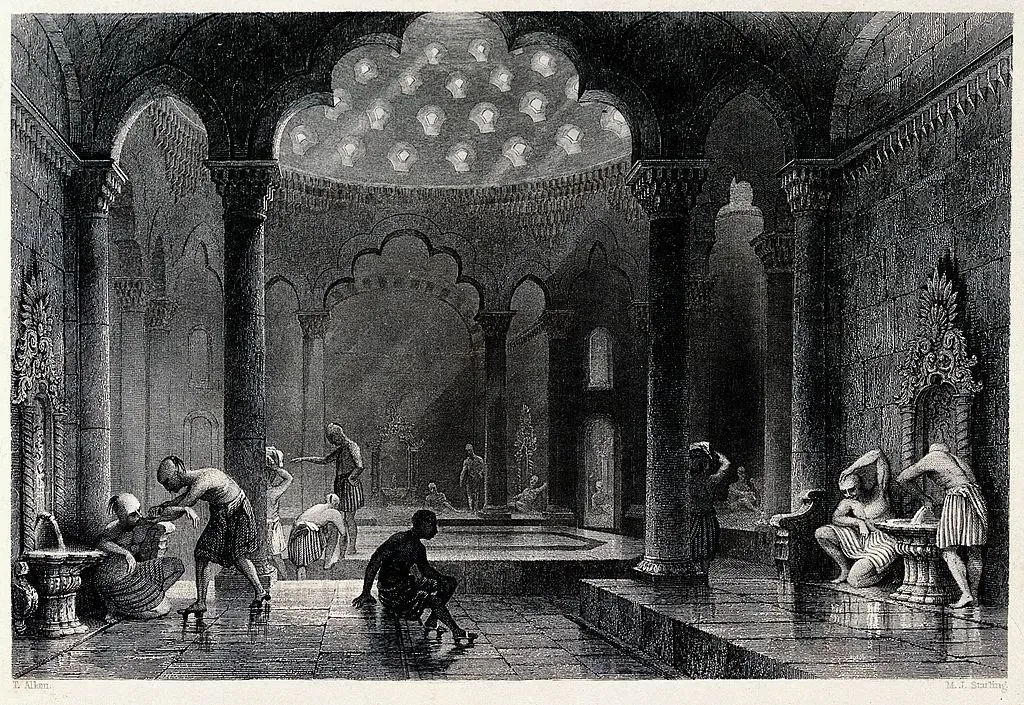
Ottoman hammam architecture is a study in layered functionality and symbolic form. The classic complex typically linked a hot room (hararet), a warm room, and a cool room through interconnecting marble slabs, heated stones, and domed ceilings that distributed heat with almost musical precision. The design was as much about quiet contemplation and social order as it was about cleansing. The domed skylight not only bathed the space in diffuse light but also created an atmosphere where steam softened the senses and anchored the hammam as a sanctuary of daily life. In the language of Turkish bath culture, architecture becomes a conduit for hospitality, ritual, and communal belonging.”
Rituals in the Ottoman hammam carried a public-spirited etiquette that transformed bathing into an act of social grace. Guests moved through private cubicles to the heated marble spaces, where attendants or family members guided them through cleansing, exfoliation with kese, soap lather, and sometimes a restorative massage. A sense of modesty, respect for others in shared spaces, and patience during the heat cycle were essential elements—principles that elevated a simple wash into a culturally meaningful experience. Through these rituals, hammam culture created a distinctive social language—hospitality, care, and communal ritual—that endured across generations and regions.
From Hararet to Hydrotherapy: The Architecture and Rituals Shaping Turkish Bath History
The hararet—the blazing heart of the hot room—echoes in Turkish bath history as a space where heat, steam, and pressure meet the body’s need for renewal. The architectural emphasis on temperature-controlled zones and precise water systems reveals a sophisticated understanding of human physiology and comfort. Marble surfaces, winding pathways, and carefully placed drains guide both energy and movement, turning a sequence of rooms into a ritual journey rather than a mere hygiene routine. This architectural logic—balancing heat, water, and form—remains a touchstone for how Turkish bath history informs modern spa design and visitor experience.
As Turkish bath history intersects with modern spa traditions, the ritual language evolves to include hydrotherapy, private treatment rooms, and contemporary wellness amenities, while preserving the hammam’s core sequence: heat, cleanse, exfoliate, rinse, and relax. Visitors experience a spectrum of sensory cues—steam, scent, soft lighting, and the tactile luxury of massage—much as in centuries past, but with new tools and services. This evolution demonstrates how traditional rituals can coexist with modern spa technology, allowing today’s practitioners to honor the past while addressing today’s wellness expectations.
Turkish Bath Tradition in the Modern Spa Era: Hybrid Rituals and Global Influence
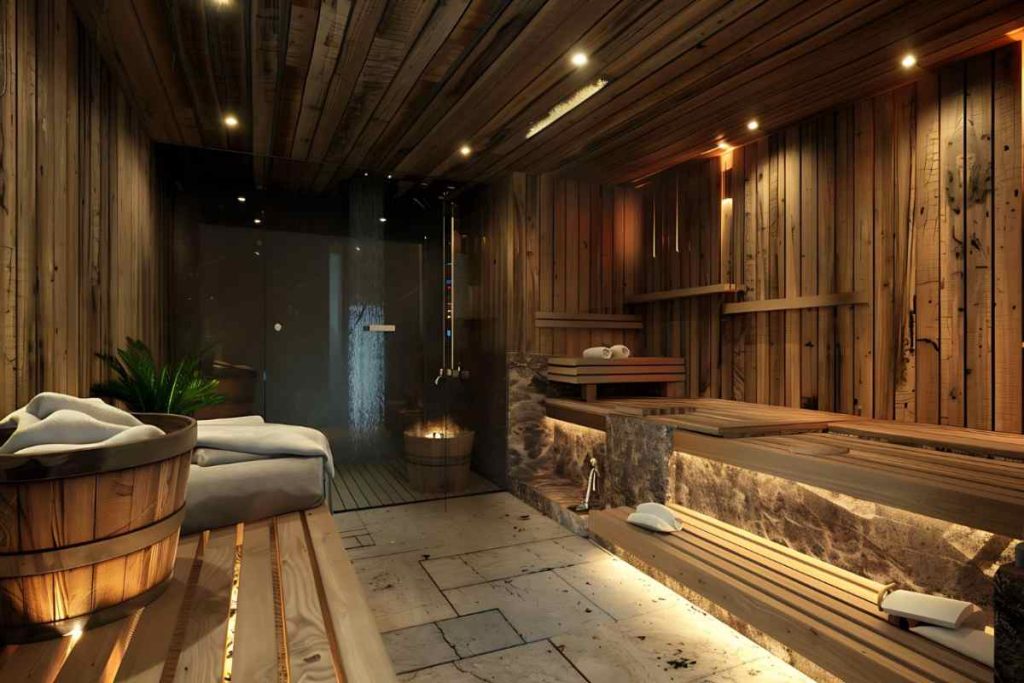
In the modern spa era, Turkish bath tradition has become a global template for immersive wellness experiences. Hammam-inspired concepts show up in boutique hotels, luxury resorts, and city spas around the world, translating the heat-and-ritual model into accessible, contemporary settings. The hybridization integrates Western spa practices—hydrotherapy, massage modalities, and private treatment spaces—with traditional elements like steam rooms, kese exfoliation, and aromatic oils. This blend preserves the essence of the hammam while expanding its appeal to a diverse, international audience within the broader framework of modern spa traditions.
Global diffusion has also encouraged preservations of historical features alongside new design trends. Architects and designers draw on domes, marble, geometric tilework, and warm lighting to evoke hammam aesthetics, even as digital controls, chromatic lighting, and customized aromatherapy create a modern sensory profile. The Turkish bath tradition thus remains a living influence in contemporary wellness, shaping how people experience cleansing, relaxation, and social connection in a global era.”}]},{
Frequently Asked Questions
How did the Ottoman hammam shape Turkish bath history and its social and architectural role?
The Ottoman hammam created a defined architectural sequence of hot, warm, and cool spaces centered on cleansing, ritual, and community. This approach helped shape Turkish bath history and hammam culture by linking wellness with urban life and hospitality across centuries.
What is hammam culture and how did it evolve through Turkish bath history?
Hammam culture refers to the shared rituals, etiquette, and social functions of cleansing, massage, and conversation in bathhouses. Over time Ottoman practices integrated with local traditions, creating a distinctive practice that endures in modern spa traditions.
How have modern spa traditions been influenced by Turkish bath history and Ottoman practices?
From hydrotherapy blends to private treatment rooms, modern spa traditions borrow ritual sequencing, steam ambience, and massage accents from Turkish bath history while preserving the core idea of cleansing, relaxation, and social space.
What defines the Turkish bath tradition and its evolution from historic haramats to todays wellness venues?
The Turkish bath tradition centers on a staged heat experience, kese exfoliation, massage, and a communal ethos. As haramats were adapted for modern wellness centers, traditional rituals persist in a format that blends heritage with contemporary amenities.
Why is the Ottoman hammam story important for understanding todays global spa culture and Turkish bath history?
Studying the Ottoman hammam and Turkish bath history reveals how heat, water, and ritual shape design, hospitality, and well being. The legacy informs global spa culture by offering a model for communal cleansing balanced with individual care.
| Aspect | Key Points |
|---|---|
| Origins and Essence | Pre-Ottoman bath practices existed in Anatolia and the Near East; the Ottoman era refined the hammam into an architectural complex with hot, warm, and cool rooms connected by marble, and it was embedded in urban life as a daily anchor. |
| Ottoman Hammam | The hammam became a social hub for cleansing, conversation, and healing. Rituals included undressing in private cubicles, kese exfoliation, massage, and often oils or fragrances; etiquette emphasized modesty and shared respect, with ceremonies marking weddings, passages, and daily refreshment for traders and travelers. |
| Architecture & Design | Domed ceilings, marble surfaces, and water systems create a multisensory space. Skylights, decorative tiles, and sometimes calligraphy contribute to a serene atmosphere, while heat, steam, scent, and sound reinforce the ritual experience. |
| Transition to Modern Era | In the 19th–20th centuries hammams faced modernization pressures but preserved core rituals. Many were restored as cultural landmarks or adapted for contemporary wellness, blending traditional methods with new materials and styles. |
| Modern Spa Traditions & Global Spread | Hammam-inspired experiences appear in boutique hotels, luxury resorts, and urban spas worldwide. Modernization often adds private suites, chromatic lighting, aromatherapy, and Western spa practices while honoring historical ritual. |
| Health, Etiquette & Social Value | Core benefits include circulation, eased stiffness, and skin renewal; kese exfoliation and massage enhance relaxation. Social aspects—shared spaces and communal etiquette—remain central, guiding how visitors engage with the experience. |
| Cultural Significance & Design Language | Turkish bath history has shaped architectural and interior design language—marble, warm lighting, and acoustics—while prompting conversations about preservation, adaptation, sustainability, and cultural exchange in spa culture worldwide. |
Summary
Table completed. The table above distills the key points of the base content, outlining origins, rituals, architecture, modernization, global diffusion, health and etiquette, and cultural significance that define the Turkish bath history.